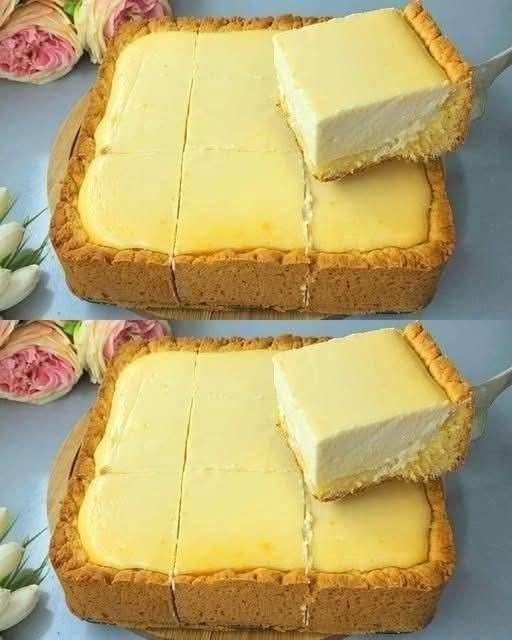

Italian cheesecake
Ingredients
For the shortcrust pastry:
250g all-purpose flour
100g cold unsalted butter, cubed
75g granulated sugar
1 whole egg
1 tsp baking powder
A pinch of salt
Zest of 1 lemon (optional but recommended)
For the custard filling:
500ml whole milk
4 egg yolks
100g sugar
40g cornstarch
1 tsp vanilla extract
Optional toppings:
Pine nuts (traditional)
Powdered sugar (for dusting)
Instructions
Make the pastry:
In a bowl, combine flour, sugar, baking powder, and salt.
Rub in the cold butter until the mixture resembles breadcrumbs.
Add the egg and lemon zest, then knead lightly until a dough forms.
Wrap and chill for 30 minutes.
Prepare the custard:
Heat the milk in a saucepan until just simmering.
Whisk egg yolks, sugar, and cornstarch in a separate bowl.
Gradually pour the hot milk into the egg mixture, whisking constantly.
Return to the heat and stir until thickened.
Remove from heat, add vanilla, and cover with plastic wrap to prevent a skin.
Assemble and bake:
Preheat the oven to 180°C (350°F).
Roll out ⅔ of the dough and line a greased tart pan.
Spread the cooled custard over the base.
Roll out the remaining dough to cover the top, sealing the edges.
Sprinkle with pine nuts if using.
Bake for 35–40 minutes until golden. Cool before dusting with powdered sugar.
Variations
If your custard curdles, don’t panic—blend it briefly with an immersion blender to smooth it out. When rolling the dough, work quickly to keep it cool; if it becomes too soft, chill it again before continuing. For even baking, rotate the tart halfway through the cooking time
For a modern twist, try adding a layer of fruit preserves beneath the custard—apricot or raspberry work beautifully. If you love spices, infuse the milk with a cinnamon stick or a pinch of nutmeg for a warming flavor.
Chocolate lovers can fold cocoa powder into the custard or drizzle melted chocolate over the finished tart.
For a nut-free version, omit the pine nuts and top the tart with a lattice design instead. Alternatively, use a sprinkle of coarse sugar for extra crunch. If you prefer a lighter filling, replace half the custard with whipped cream folded into the cooled pastry cream.
For a festive touch, decorate the tart with edible flowers or candied citrus peel. You can also experiment with different extracts—almond or orange work wonderfully in place of vanilla. The possibilities are endless, making this recipe a versatile canvas for creativity.
Tips
To prevent a soggy crust, blind bake the base for 10 minutes before adding the custard. If you don’t have cornstarch, flour can be used as a thickener, though the texture may be slightly denser.
For an extra-shiny finish, brush the top crust with an egg wash before baking.
If your custard curdles, don’t panic—blend it briefly with an immersion blender to smooth it out. When rolling the dough, work quickly to keep it cool; if it becomes too soft, chill it again before continuing. For even baking, rotate the tart halfway through the cooking time.